Every event starts with a number on a spreadsheet that feels comfortable. By the time the event actually happens, that number has quietly grown; sometimes by 15%, sometimes by 40%, and occasionally by an amount nobody wants to put in writing.
If you've ever managed a corporate event, a wedding, or a large celebration in Jaipur and watched the budget stretch in ways you didn't anticipate, you're not alone. Budget overruns are one of the most consistent frustrations in event planning and the reasons behind them are almost always the same.
As an experienced event management company in Jaipur, this is something we see and manage regularly. Here's an honest look at why it happens and what actually keeps it under control.
The Budget Was Built on Assumptions, Not Quotes
This is where most events go wrong before a single booking is made.
Someone puts together an initial budget based on rough estimates; what they think a venue might cost, what catering "usually" runs per head, what a decent AV setup should be. Those numbers feel reasonable because they're based on memory or a quick online search.
Then the actual quotes arrive.
A venue that seemed like it would cost ₹3 lakhs comes in at ₹4.5 lakhs. Catering per head is higher because of service charges, GST, and a minimum guarantee clause buried in the contract. The AV company's basic package doesn't include the screens or the technician for the day.
The lesson here isn't that vendors are overcharging, it's that assumption-based budgets always underestimate reality. The fix is simple but requires discipline: get actual quotes before finalising any number.
Scope Creep Is the Quietest Budget Killer
Nobody sits down and decides to overspend. It happens incrementally.
The MD wants a welcome backdrop that wasn't in the original plan. Someone suggests adding a photo booth. A small DJ set gets added for the post-dinner hour.
Each of these individually seems manageable. Together, they can add 20–30% to an original estimate without anyone realising it until the invoices land.
Experienced event planners in Jaipur handle this with a simple but firm rule: every addition to scope must be explicitly approved with a revised cost attached. Not informally agreed to in a WhatsApp message; formally acknowledged with a number. It feels bureaucratic until the day it saves you from a very uncomfortable conversation.
Last-Minute Decisions Are Always Expensive
There's a direct relationship between how late a decision is made and how much it costs.
Booking a venue six months ahead provides you with more leverage in negotiations. Booking the same venue six weeks out, or worse, six days out; means you're accepting their terms, their pricing, and their availability. The same is true for caterers, decorators, photographers, and transportation.
One real example: a corporate gala in Jaipur that came to us with about five weeks to the event date. The client had a clear brief and a reasonable budget but because of the timeline, several preferred vendors weren't available. The ones who were available knew the timeline was tight and priced accordingly. The event came together, but it cost roughly 22% more than an identical event would have cost with a four-month runway.
Time is a budget resource. Booking a venue six months ahead provides you with more leverage in negotiations.
Hidden Costs That Catch People Off Guard
Some costs are predictable but consistently overlooked:
Venue electricity charges, parking management, security personnel, event insurance, generator backup, waste management, and overtime charges if the event runs long. These aren't unusual expenses; they're standard in most event contracts. However, they are not included in the initial budget proposal.
A good event organiser in Rajasthan will walk you through these line items before the contract is signed, not after. If a vendor's quote looks significantly lower than others, it's worth asking what it doesn't include.
How Professionals Actually Manage Event Budgets
The difference between an event that stays on budget and one that doesn't usually comes down to three habits:
First, a contingency line from day one. Not a vague intention to "leave some room"; a specific allocation, typically 10–15% of the total budget, that exists for genuine surprises.
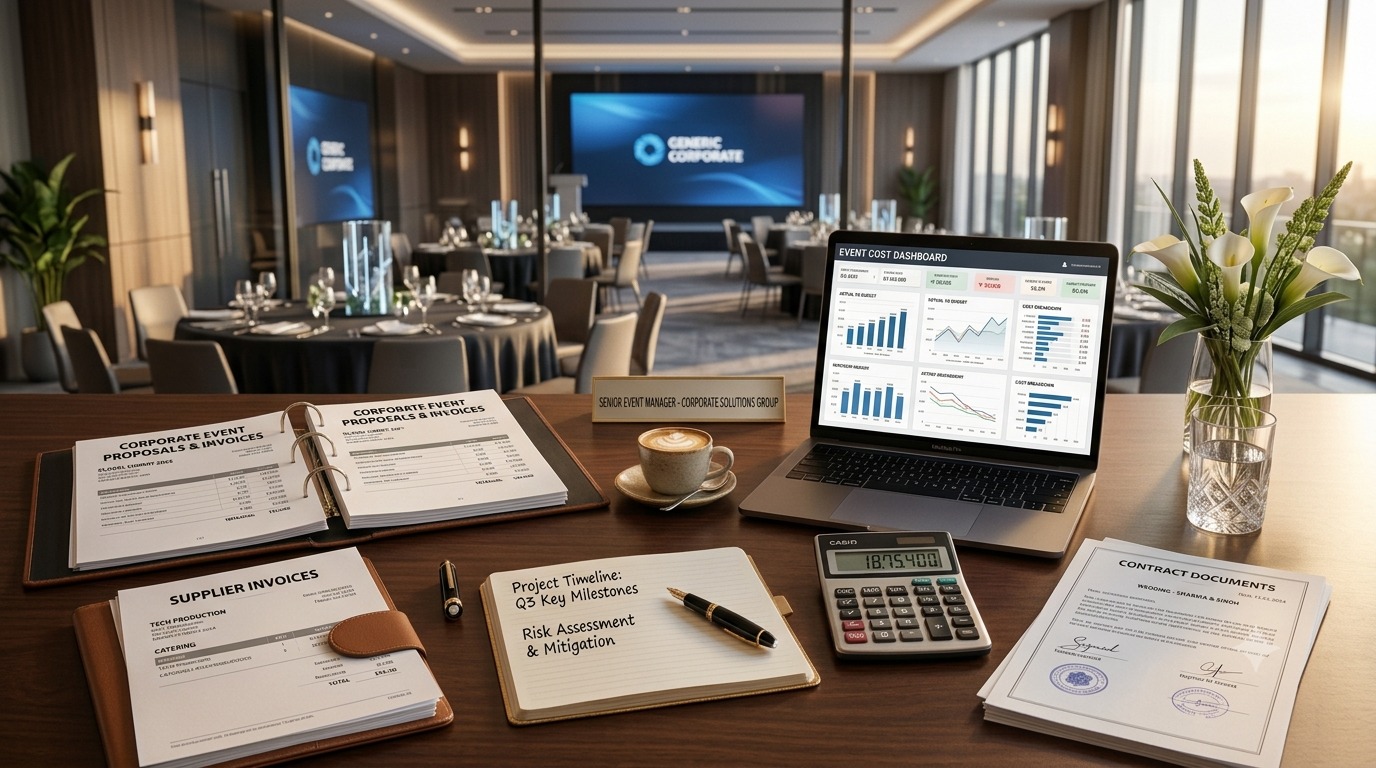
Second, a budget tracker that's updated in real time. Not a spreadsheet reviewed the week before the event; a living document that reflects every confirmed booking, every deposit paid, and every scope change as it happens.
Third, a single person who owns the budget. When financial decisions are spread across a committee or shared informally between team members, costs accumulate without oversight.
At Ground Zero Events, each project we undertake includes a detailed cost summary that is available to the client at any time. This ensures transparency throughout the process, so there are no unexpected charges when invoices are issued, as all financial details are clearly outlined during the initial planning phase.
The Takeaway
Budget overruns at events aren't usually the result of bad luck. They're the result of late decisions, assumption-based planning, unmanaged scope, and a lack of real-time visibility into where the money is going.
The events that stay on budget aren't necessarily the ones with the most money; they're the ones with the most discipline in how that money is tracked and protected.
Plan early. Get real quotes. Own the scope. And build a contingency before you need one.
Ground Zero Events is a professional event management company in Jaipur with experience across corporate events, private celebrations, product launches, and large-format gatherings across Rajasthan.